Compassionate therapy that celebrates diversity
We offer in-person and virtual sessions for individuals, couples, and any group that meets your definition of the word “family.”

Accessibility

Community

Diversity
Our Values & Purpose
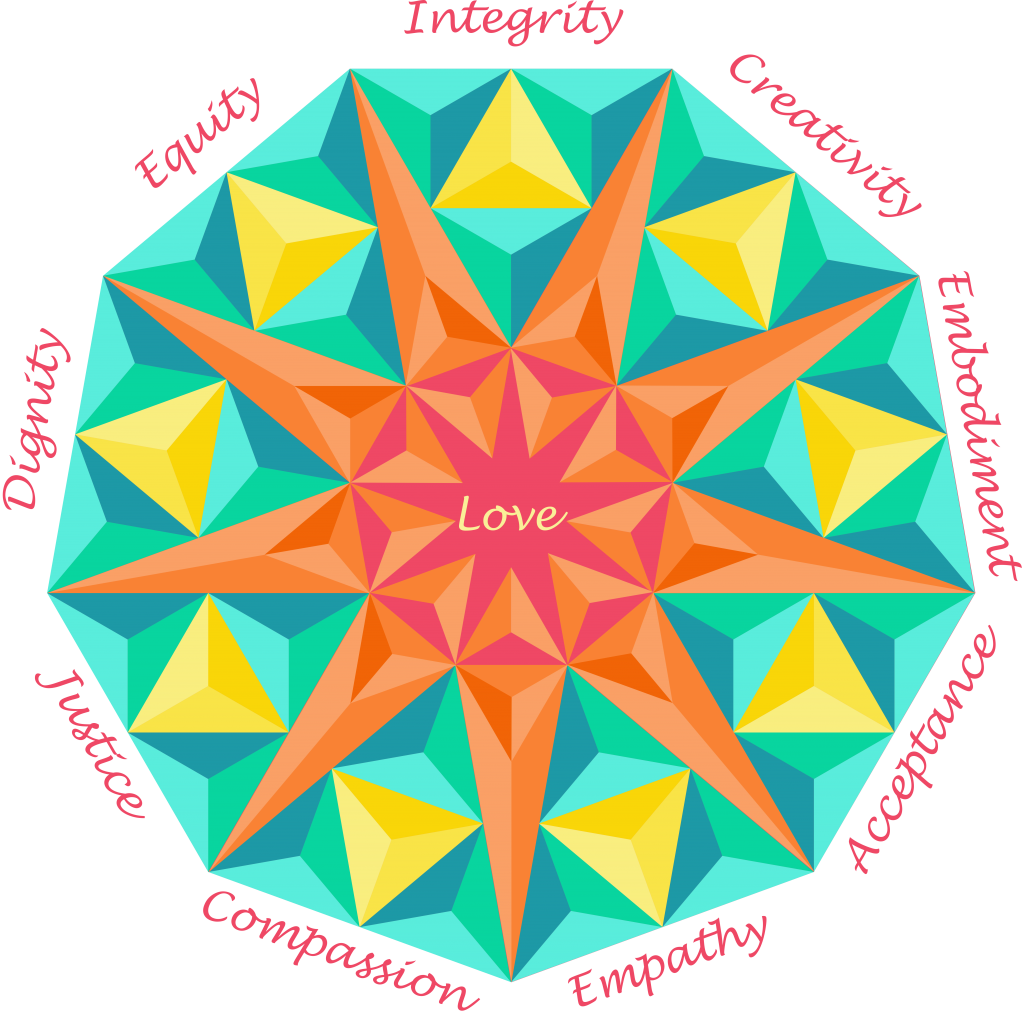
Soaring Heart Center is a values-based & impact-driven organization that asserts the values of equity, dignity, justice, compassion, acceptance, embodiment, creativity, integrity, and love.
Our purpose is the free and ethical expression of love, to ourselves and to others, and it may be the ultimate aim of our work. We affirm love includes being present, vulnerable and expressing care to those around us, in multitudes of valid and affirming experiences.
In service to this ideal, we create spaces, experiences and trainings that enable all of us to heal.
It’s time to start figuring sh*t out
Soaring Heart is a compassion engine that provides a richer and more rewarding life for you by offering
skilled 1:1 therapy, deeply personal encounters with oneself and others through group programs, and by using the most current knowledge, integrated with our lived experience, and supported by the passionate hearts of our counselors and therapists.
We offer support to individuals who are: questioning their sexuality, gender, or sexual orientation (kink, trans, queer, CNM), who are struggling with past trauma, and who have difficulty managing energy and making decisions. We also work with those who care deeply about consent and justice, as well as using plant medicines and spiritual practices to support personal development.
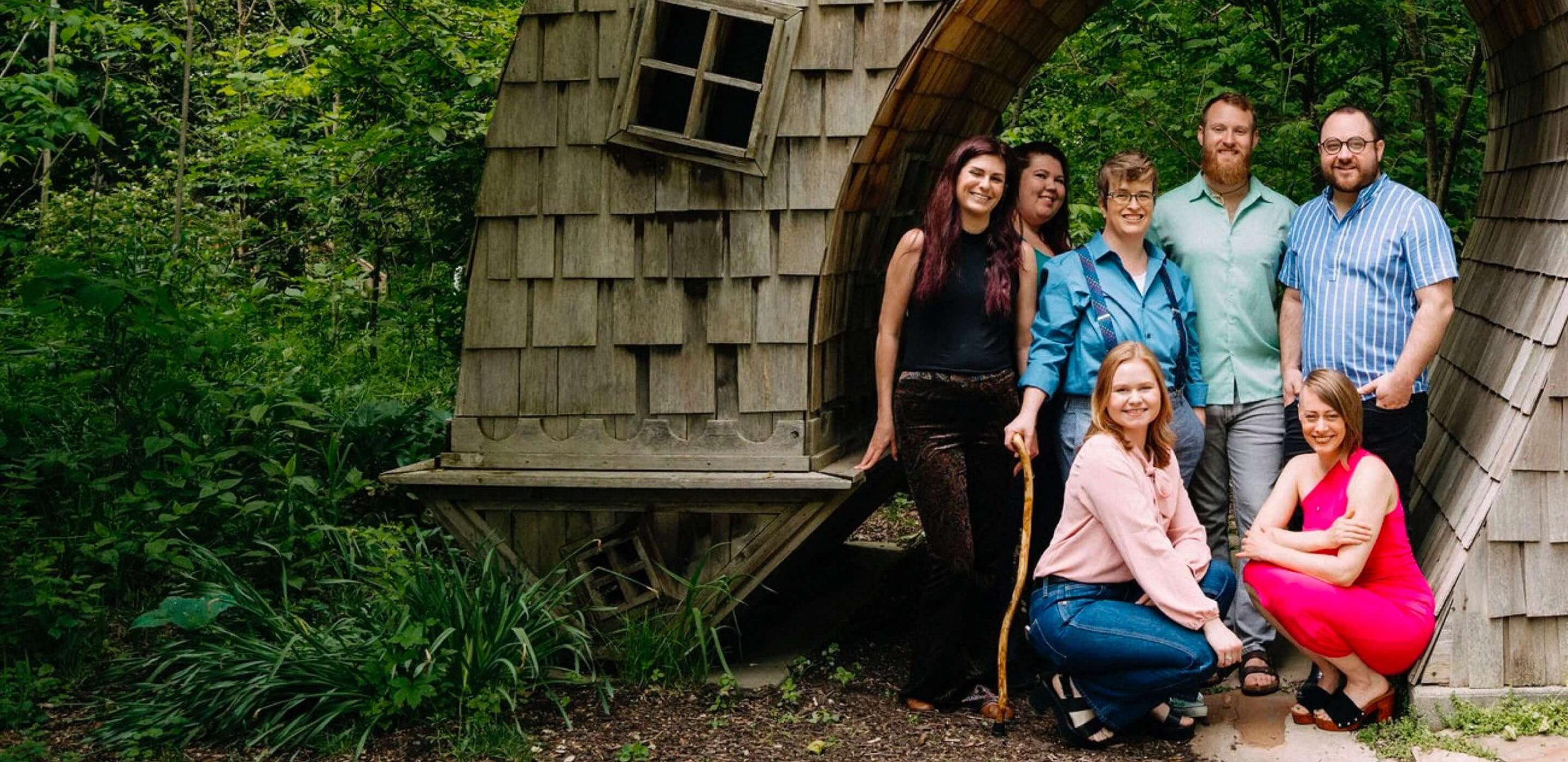
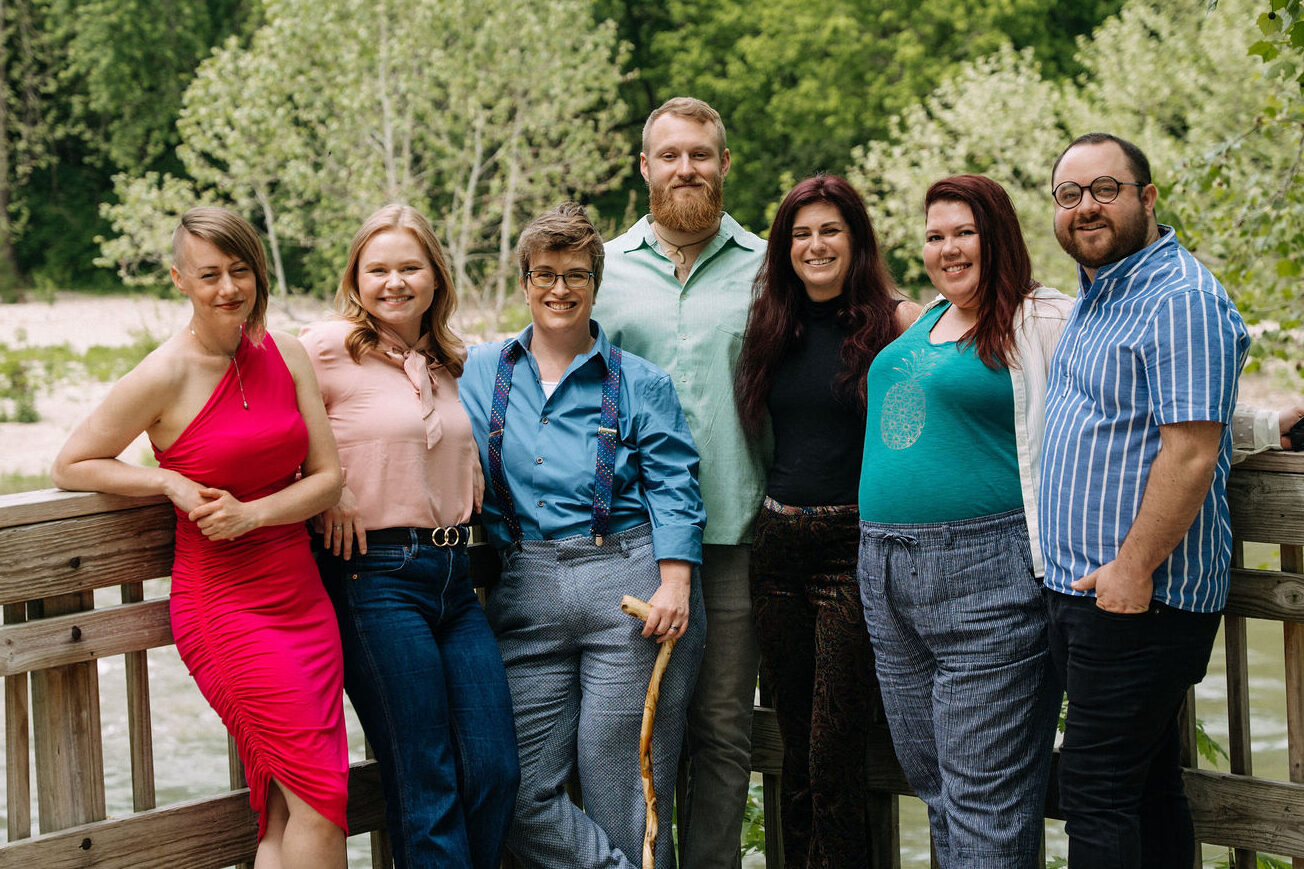
The Soaring Heart Team
Our team works with sex, relationships, anxiety and depression, trauma, transitioning, and polyamory offering 1:1 Psychotherapy or Coaching sessions In-Person or Virtually for clients anywhere in Indiana. Our team is Queer, Polyam, and LGBTQ+ advocates who support all expressions of gender identity and all kinds of relationships.
We Take Insurance
To help make our services more accessible, we accept Anthem BCBS and Medicare, two of the most widely utilized insurance providers. It’s important to us to reduce any barriers we can between you and receiving the support you need.
Availability & Appointment Options
We offer in-person and virtual sessions for individuals, couples, and any group that meets your definition of the word “family.” Our team members each create their own schedules to build integrity and collaboration with you throughout every step of your healing.
Part of the Community We Serve
Our team works to heal wounds many of us have experienced ourselves. We are here to help meet the complex needs of the thoughtful, passionate communities in which we live, work, and deeply love. Our counselors, coaches, educators, and staff proudly represent many intersections of our community and honor their magnificent expressions.
We Celebrate Diversity
We welcome the diversity of humanity in all forms — relationship styles, romantic and sexual expression, gender, neurology, race, ethnicity, ability, age — you name it. We get it because we’re living it ourselves.
Speaking Engagements
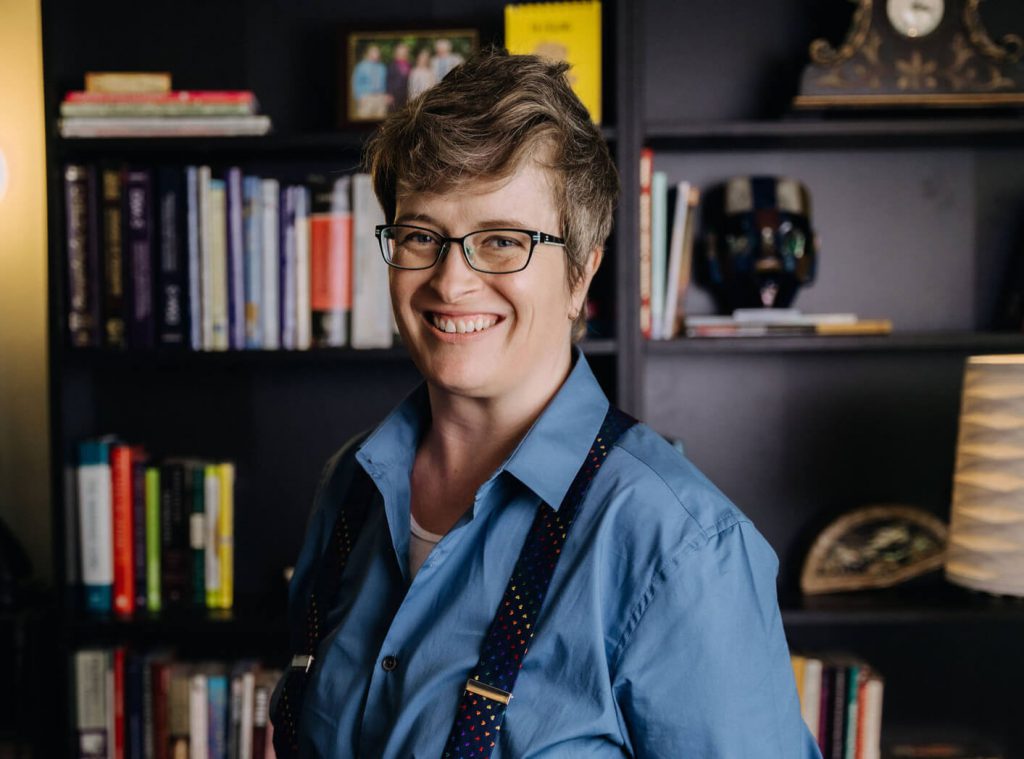
Kathy G. Slaughter, LCSW has what it takes to meet your needs for speaking engagements and training!
Kathy’s warm and interactive speaking style will make it easy to engage with new skills that you can use to improve your life today. They’ve taken the stage at conferences from L.A. to Prague and everywhere in between. Their TEDx Talk, Love Lessons from Open Relationships, has over 370k views and counting!

The Practices and Principles of Ethical Polyamory Virtual Conference
Available now! This prerecorded, virtual conference is a veritable treasure chest of thoughtfully-crafted interviews excavating deep and juicy topics found throughout the ethical polyamory universe. Dive in and enjoy the adventure!